

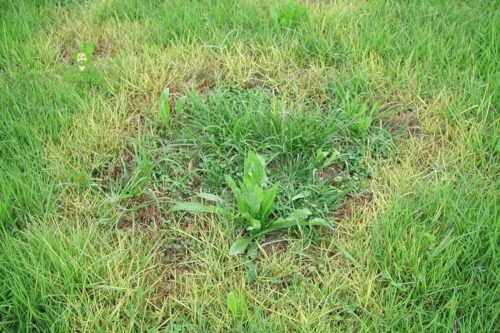
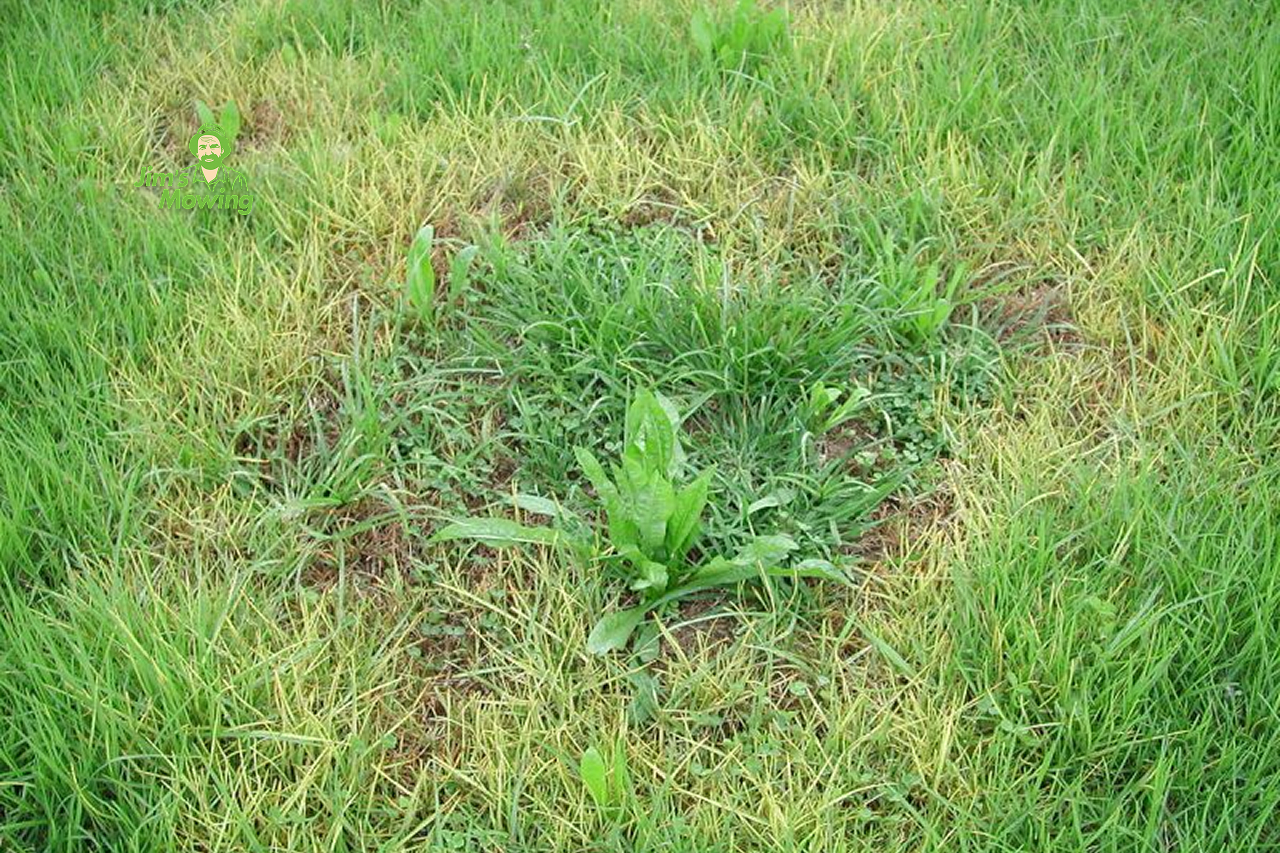
Is your once-vibrant green lawn suddenly looking a bit… sickly yellow? You’re not alone! It’s a common and frustrating problem for many Australian homeowners, leaving you scratching your head about what went wrong. But don’t fret, a yellow lawn is often a cry for help, and with a bit of detective work, you can usually diagnose the issue and bring that lush green back.
The Common Culprits Behind Your Yellowing Lawn
Seeing yellow patches appear on your lawn can be alarming, but most causes are actually quite common and fixable. Let’s explore the usual suspects that might be turning your green turf to yellow.
Over and Under Watering
Believe it or not, both overwatering and underwatering can lead to a yellow lawn, and it can be hard to tell which side you’re on.
Too Much Water: While grass needs moisture, constantly soggy soil can suffocate roots by not allowing oxygen to flow freely. When roots can’t “breathe,” they struggle to absorb nutrients, leading to yellowing. You might notice this if your lawn feels spongy underfoot, or if you have poor drainage in your yard.
Too Little Water: On the flip side, drought stress is another classic cause of yellowing. When your lawn doesn’t get enough water, it enters a dormant state to conserve moisture, and one of the first signs is a loss of vibrant green colour. The grass blades might also feel brittle or look dull.The trick is to find that happy medium. Most lawns prefer deep, infrequent watering. This encourages roots to grow deeper, making the grass more resilient to dry spells.
Nutrient Issues
Just like us, lawns need a balanced diet to thrive. A deficiency or excess of certain nutrients can quickly turn your grass yellow, so getting your fertiliser right is key:
The most common deficiency is nitrogen, which is vital for that lush green colour. Other deficiencies like iron can also cause yellowing, often showing up as yellowing between the veins of the grass blades. The fix for this is finding a well-balanced fertiliser that works for your lawn type.
Applying too much fertiliser can also land your lawn in trouble, as it essentially leads to a sort of chemical burn for your grass. This is because excess salts in the fertiliser draw moisture out of the grass, which is why following application instructions to a T is so important.
Bad Mower Blades
This one’s often overlooked but can be a surprisingly common cause of yellowing in lawns! If your lawnmower blades are dull or blunt, they don’t cut the grass cleanly; instead, they tear it. These torn tips become ragged, dehydrate quickly, and turn yellow or brown, giving your entire lawn a sickly, yellowish cast. Regularly sharpening your mower blades is a quick fix that makes a huge difference.
Environmental Stressors
Sometimes, it’s not what you’re doing, but what’s happening around your lawn that causes the yellowing.
Sunlight Starvation: Just like us, grass needs sunshine to thrive! If parts of your lawn are consistently shaded by temporary objects like large tents, gazebos, kids’ paddling pools, or even prolonged shadows, the grass underneath can quickly turn yellow due to lack of photosynthesis. Moving them around regularly, or considering shade-tolerant grass varieties for consistently shaded areas, can help.Soil
Compaction: Over time, heavy foot traffic, machinery, or even just heavy rainfall can compact your soil. When soil becomes dense, it restricts the movement of air, water, and nutrients to the grass roots. This oxygen deprivation and nutrient lockout lead to stressed, yellowing grass, often appearing in high-traffic areas. This is a common issue that often requires aeration to remedy.
Pests & Diseases
Unfortunately, tiny invaders or microscopic fungi can also be the cause of your yellowing lawn.
Various lawn grubs and insects can feast on your grass roots or blades, hindering the lawn’s ability to absorb nutrients and causing it to turn yellow or brown. Look out for things like armyworms, sod webworms, or grub activity.
Fungal diseases are also notorious for causing discoloured patches, which can range from yellow to brown, red, or even black. Common culprits in Australia include Dollar Spot, Fusarium Patch, or Brown Patch. In fact, many of the strategies for dealing with yellowing patches are very similar to those for another common issue we deal with; eliminating brown patches in your lawn.
Steps to Bring Your Yellow Lawn Back to Green
Once you’ve identified the likely cause of your lawn’s yellowing, it’s time to take action! Here’s a breakdown of steps you can take to nurse your turf back to its lush green glory:
- Adjust Your Watering Schedule
- Balance the Nutrients
- Sharpen Those Blades
- Aerate Compacted Soil
- Relocate Obstructions
- Tackle Pests and Diseases
Keeping Your Lawn Lush Year-Round
Bringing your lawn back from yellow is one thing, but preventing it from happening again is even better! Consistent care is your best defence.
Sometimes, despite your best efforts, your lawn stays yellow, or you’re just unsure how to correctly diagnose and fix the problem. That’s perfectly okay! Lawn care can be complex, and getting it wrong can be costly; that’s where your local Jim’s Mowing team comes in.
Don’t let a yellow lawn get you down. Contact Jim’s Mowing today for a free, no-obligation quote and let our local experts restore your lawn to its vibrant, healthy green!


